[rank_math_breadcrumb]
Boosting your traffic with SEO best practices involves strategically optimizing your website and content to attract more organic traffic, target high intent keywords, and implement technical improvements like structured data. Here’s a breakdown of how to do it using the semantic SEO approach:
1. Understand and Target High Intent Keywords
A high intent keyword is a search term that indicates a strong likelihood that the user is ready to take a specific action — usually to make a purchase, sign up, book a service, or request more information. These keywords signal commercial or transactional intent and are crucial for converting organic traffic into customers.
- Focus on keywords that signal purchase or action intent (e.g., “buy,” “get,” “service near me”).
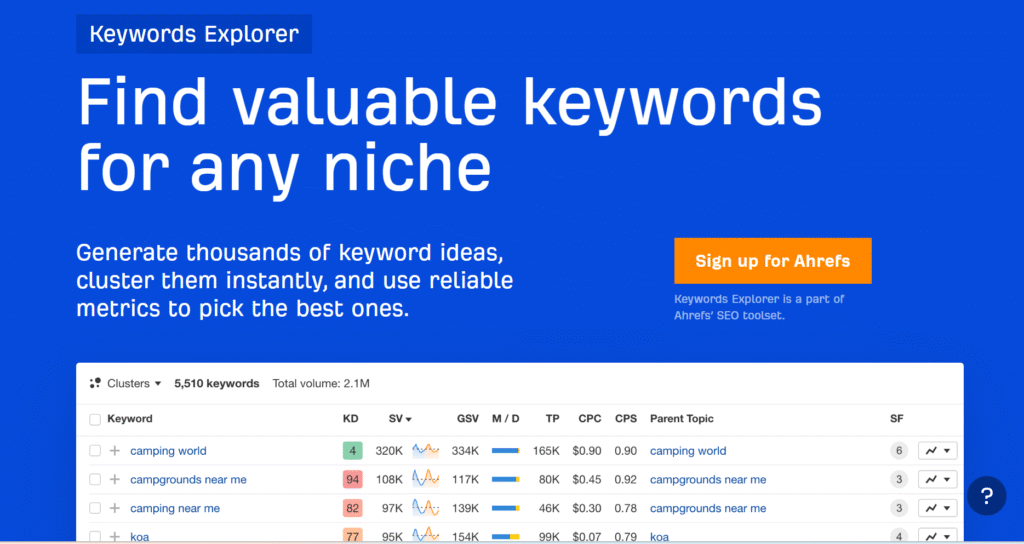
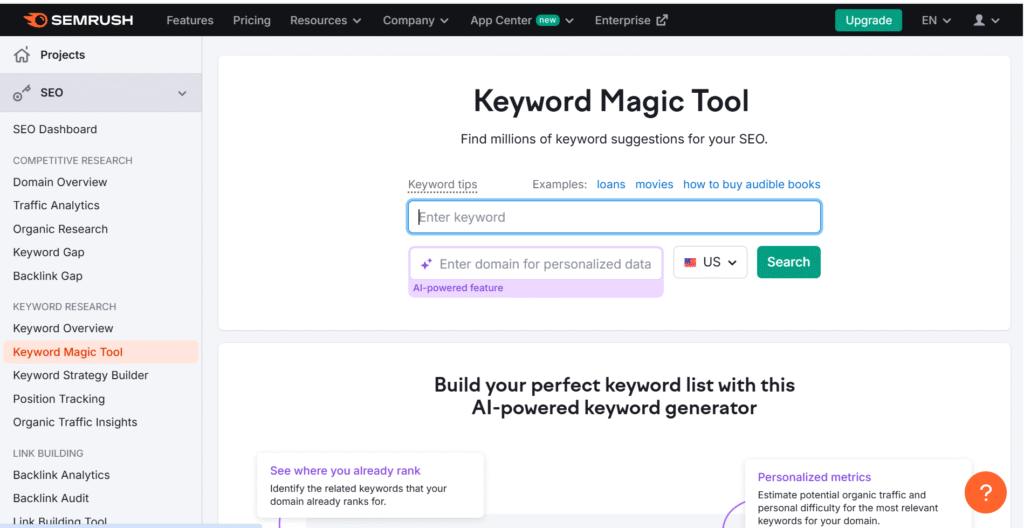
- Use tools like Google Keyword Planner, SEMrush, or Ahrefs to find high intent and long-tail keywords with moderate competition.
- Group keywords by intent: informational, navigational, transactional.
2. Optimize Content with Semantic SEO
Semantic SEO is the practice of optimizing your content to reflect not just exact-match keywords, but also the meaning, context, and intent behind a search query. It focuses on delivering relevant, in-depth, and well-structured content that aligns with how search engines (especially Google) understand language.
Instead of just targeting a single keyword like “best laptops,” semantic SEO encourages you to create content that also covers related topics and questions like:
- “best laptops for gaming”
- “lightweight laptops under $1000”
- “how to choose a laptop”
Google uses natural language processing (NLP), machine learning, and entities (through technologies like BERT, MUM, and Knowledge Graph) to understand user queries and content more holistically.
Benefits:
- Increases topical authority
- Enhances visibility for long-tail and voice searches
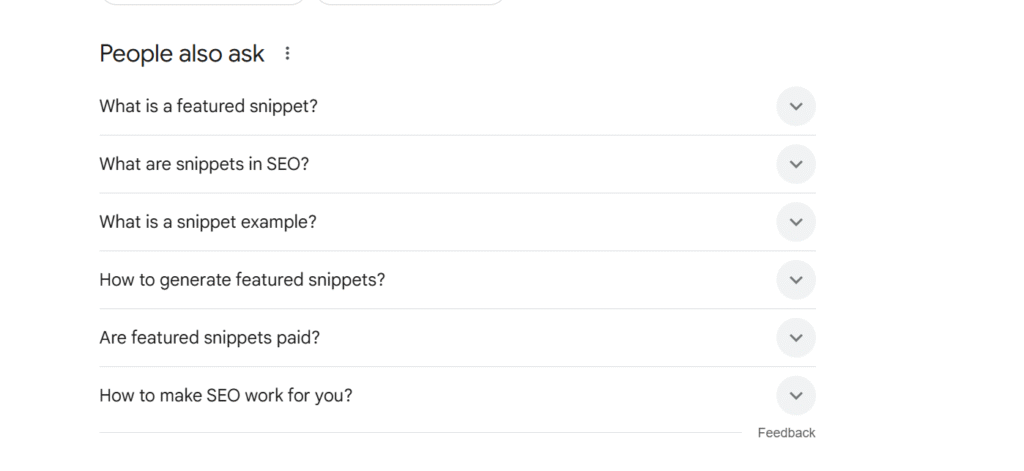
- Improves chances of ranking in “People Also Ask” and featured snippets
- Supports higher engagement and lower bounce rates
- Include related keywords and topics (LSI keywords) naturally within your content.
- Answer commonly asked questions around your main keyword — use tools like “People Also Ask” or AnswerThePublic.
- Structure your content clearly: use H1 for titles, H2 for main sections, and H3 for subsections.
3. Implement Structured Data (Schema Markup)
Structured data is a standardized format used to label and organize information on your website so that search engines can better understand it. It’s often implemented using Schema.org markup, which provides a common vocabulary that search engines like Google, Bing, and Yahoo use.
Benefits of structured data include:
- Enhanced visibility in search (rich results)
- Higher click-through rates (CTR)
- Better alignment with semantic SEO
- Improved content indexing and relevance
- Eligibility for features like Google’s Knowledge Graph and Google Assistant/voice search
When properly used, structured data can enhance your listings in search results with rich snippets—adding things like review stars, FAQs, prices, and event dates.
- Add schema.org markup to highlight key content: articles, FAQs, products, reviews, etc.
- Helps search engines understand your content and enables rich snippets in SERPs.
- Use Google’s Structured Data Markup Helper and test with the Rich Results Test tool.
How to Add Structured Data to Your Website
- Use Schema.org Markup
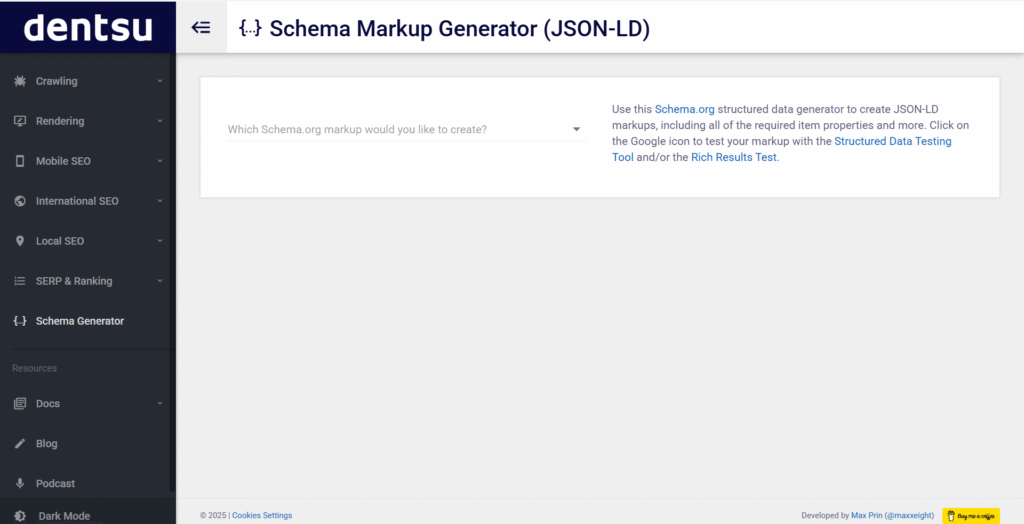
- Formats: JSON-LD (preferred by Google), Microdata, or RDFa.
- JSON-LD can be placed in the <head> or <body> of a page.
Tools to Generate and Test Structured Data
- Google’s Structured Data Markup Helper
- Rich Results Test
- Schema.org for reference and structure types
4. Enhance On-Page SEO Elements
On-page SEO (also called on-site SEO) refers to the process of optimizing individual web pages so they rank higher in search engine results and attract more relevant organic traffic. This includes everything you control on the page itself—from content quality to HTML tags and URL structure.
- Title Tags: Include your primary keyword at the beginning and make it compelling.
- Meta Descriptions: Use high intent language and include a CTA to increase CTR.
- URL Structure: Keep it short, keyword-rich, and clean (e.g., example.com/seo-strategy-guide).
5. Build a Solid SEO Strategy
An SEO strategy is a comprehensive plan to improve your website’s visibility in search engine results and drive more qualified, organic traffic. It aligns your content, technical structure, and user experience with what search engines (and people) are looking for.
A strong SEO strategy focuses on attracting both broad awareness traffic and high intent users who are ready to convert — through a blend of keyword targeting, semantic SEO, structured data, and on-page optimization.
- Conduct regular audits to find and fix technical issues.
- Continuously update old content to keep it relevant and ranking.
- Focus on internal linking to distribute authority and help search engines crawl your site.
- Develop backlinks from relevant and authoritative websites.
6. Boost Organic Traffic Through Content Marketing
Generating organic traffic through content marketing is one of the most sustainable and scalable SEO strategies. It means attracting users from search engines (like Google) without paying for ads—by consistently creating high-value content that ranks well for relevant search queries.
Tips for Better Organic Traffic
- Include FAQs and answer boxes to win featured snippets
- Use compelling CTAs to drive deeper engagement or conversion
- Target content for voice search by answering questions clearly and concisely
- Use tools like Surfer SEO, Frase, or Clearscope to optimize content semantically
- Publish blog posts, guides, case studies, and other content targeting long-tail and high intent keywords.
- Share content across multiple channels (social media, email, forums).
- Encourage user-generated content and reviews to build trust and relevance.
7. Monitor & Adjust
- Track keyword rankings, traffic sources, and engagement with tools like Google Analytics and Search Console.
- A/B test your meta tags and content layouts.
- Refine your SEO practices based on what brings the most organic traffic.
For further information about search engine optimization refer to https://digitalmarketing.rachanakittur.com/